Which injury claim type might apply in NSW?
The pathway depends on how the injury happened. A car accident may involve CTP, a workplace injury may involve workers compensation, a fall in a public place may involve public liability, and long-term work incapacity may raise TPD questions.
Do symptoms need medical review?
Yes. This site gives general information only. Symptoms, treatment needs and restrictions should be assessed by medical practitioners and recorded in treatment notes where possible.
Common injury guides
Different injuries can affect evidence in different ways
The injury label is only the start. Medical records, symptoms, work impact and the way the injury happened usually decide which evidence matters.
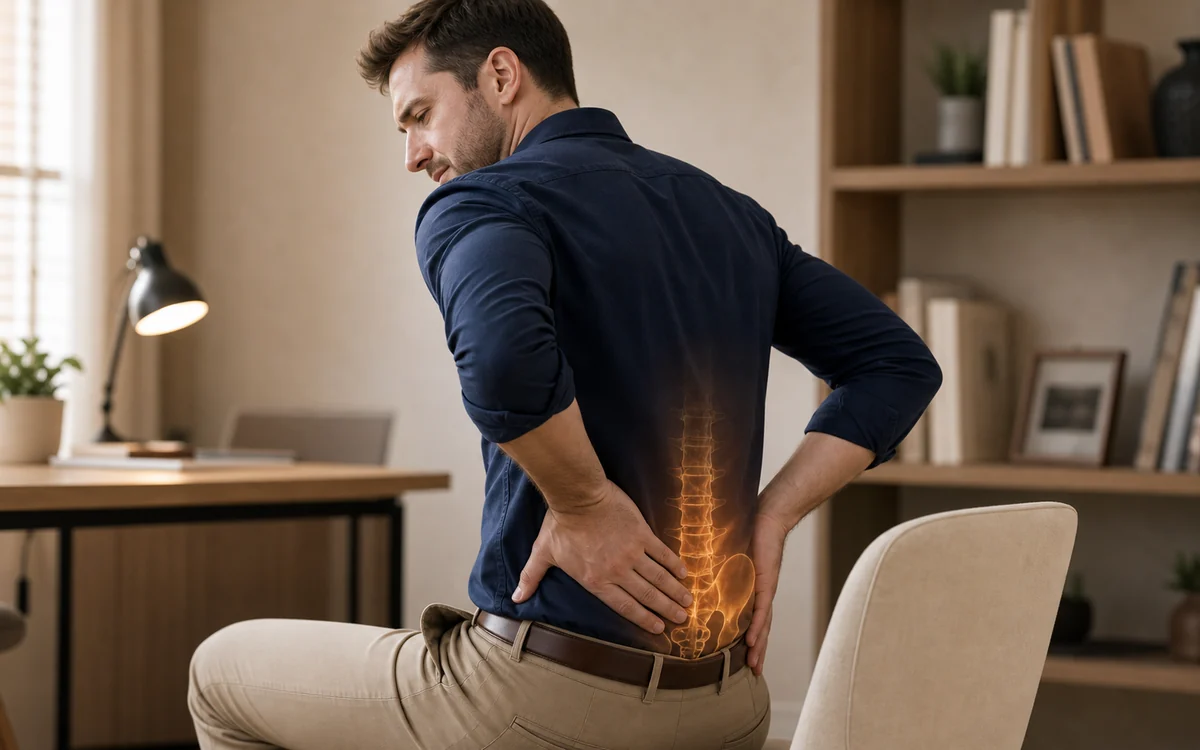 Back injury claims NSWBack injury evidence across car accidents, work injury, slip and fall, public liability and TPD pathways.Learn more
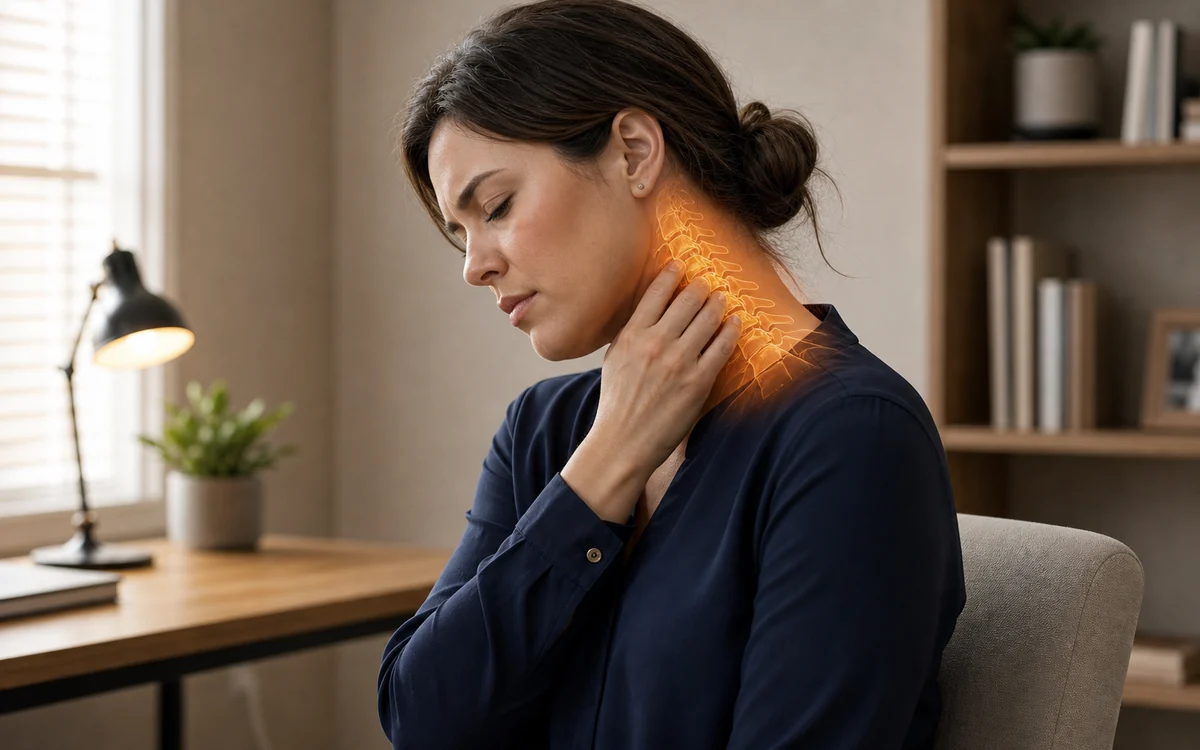 Neck injury claims NSWNeck injury treatment records, restrictions and claim pathway issues in NSW.Learn more
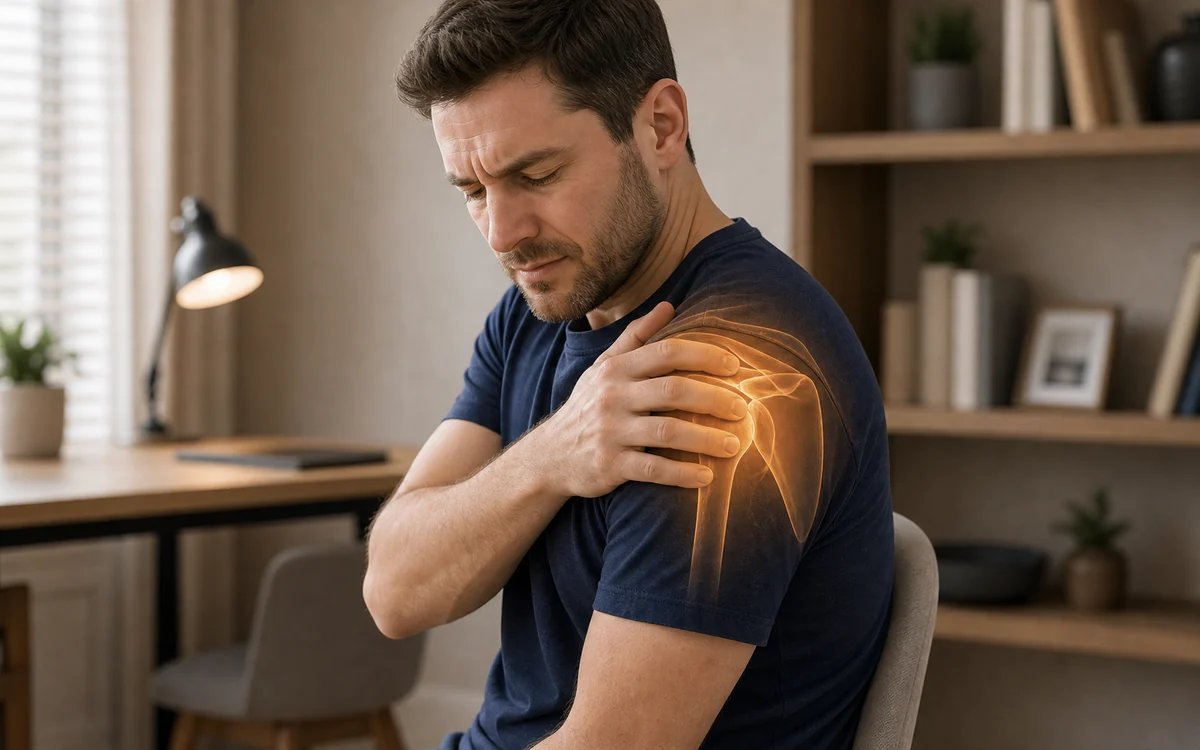 Shoulder injury claims NSWShoulder injury evidence for work duties, road accidents, falls and daily activity restrictions.Learn more
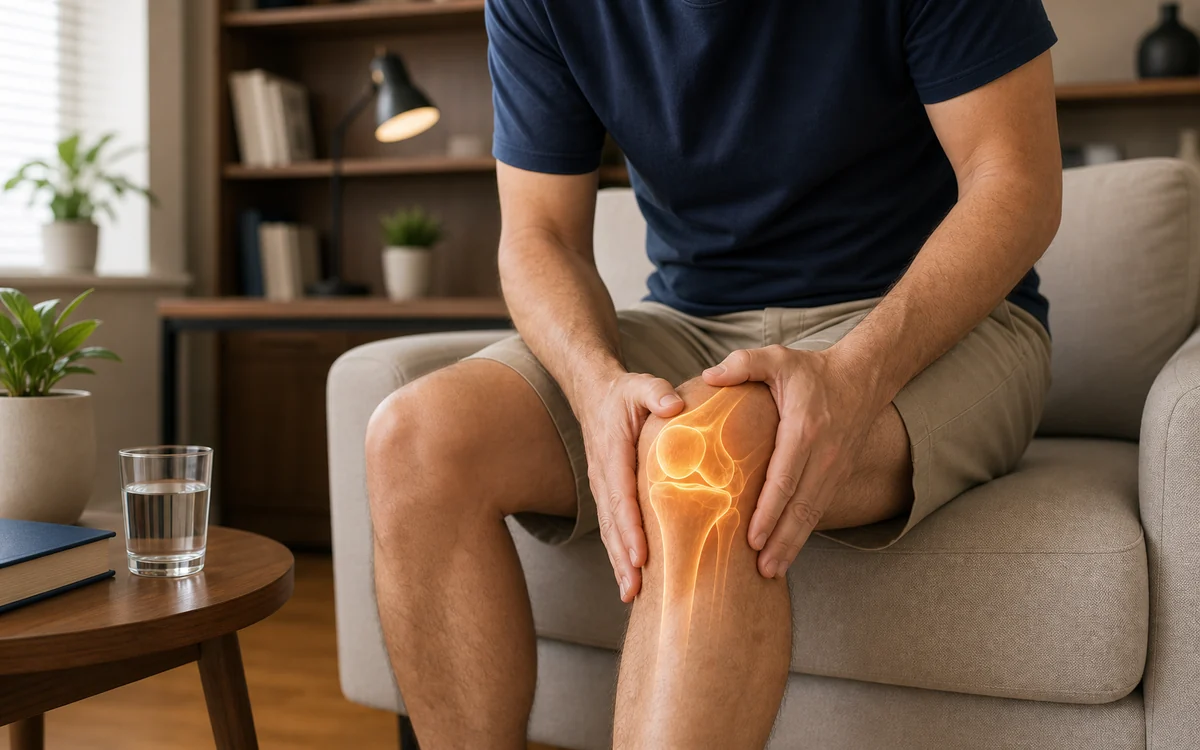 Knee injury claims NSWKnee injury records, mobility limits, work impact and common insurer questions.Learn more
 Head injury and concussion claims NSWCareful information about head injury and concussion records after accidents and incidents.Learn more
 Psychological injury claims NSWPsychological injury evidence, treatment history, work impact and possible claim pathways.Learn more
 Chronic pain injury claims NSWLong-term pain, function, treatment history, work capacity and TPD-related evidence.Learn more
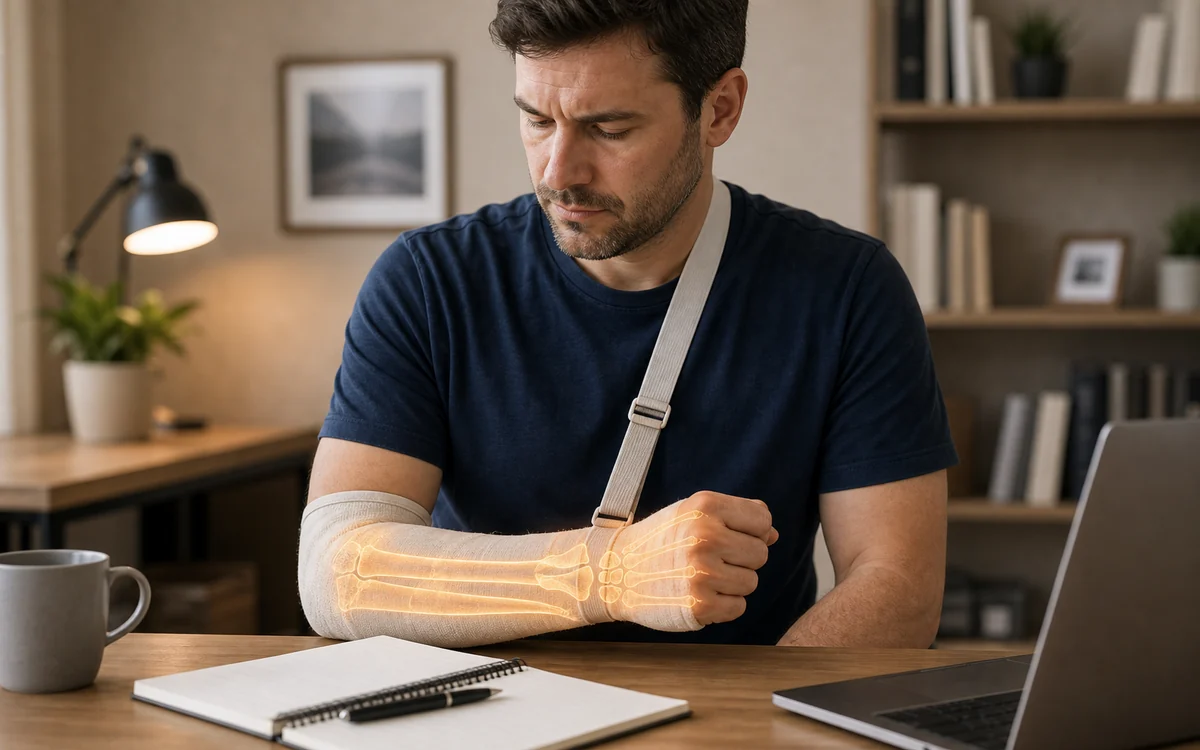 Fracture injury claims NSWFracture records, treatment, recovery restrictions and claim assessment issues.Learn more
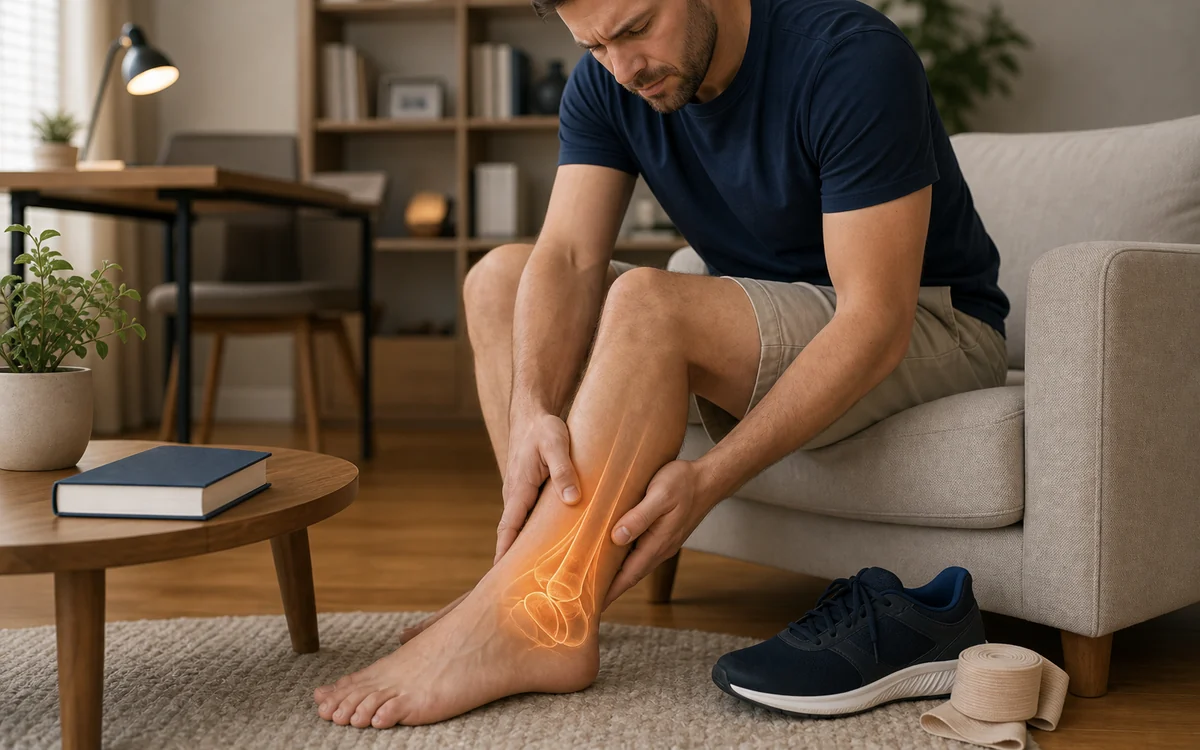 Soft tissue injury claims NSWSprain, strain and soft tissue injury evidence after road, work and public place incidents.Learn more
Not sure what injury claim type applies?
Start with what happened, not just the diagnosis.
A back, neck, knee or psychological injury may sit in a different claim pathway depending on whether it came from a road accident, work incident, public place injury or long-term capacity issue.
Permanent impairment assessment
How permanent impairment is assessed for NSW injury claims generally
Permanent impairment is not the same as pain, diagnosis, disability or compensation value. In NSW workers compensation it is a medical assessment performed at MMI under the NSW Guidelines, using AMA5 only where adopted and not modified.
What injuries can happen to this body part?
- Injuries, disease processes or post-treatment impairment affecting NSW injury claims generally
- Stable residual findings after treatment, surgery or rehabilitation
- Work-related aggravation, exposure or complication where causation is medically supported
Symptoms and findings that matter
- Whether the condition has reached maximum medical improvement
- The body system and Guideline chapter that applies
- Objective clinical findings and reliable measurements
- Whether NSW modifies or replaces the AMA5 method
- Whether multiple methods exist and which valid method should be used
What investigations are usually relevant?
- Treating specialist report and final impairment assessment at maximum medical improvement
- Imaging, pathology, audiology, ophthalmology, respiratory, nerve or functional testing that fits the body system
- Operative reports, discharge summaries, rehabilitation records and objective clinical measurements where relevant
How WPI is assessed for this body part
- Permanent impairment is not the same as pain, diagnosis, disability or compensation value. In NSW workers compensation it is a medical assessment performed at MMI under the NSW Guidelines, using AMA5 only where adopted and not modified.
- Assessment source: NSW Guidelines Chapter 1 general principles and the relevant body-system chapter. AMA5 is used only where the NSW Guidelines adopt it and have not modified or replaced the method.
- The assessor should explain maximum medical improvement, the body-system chapter, the method selected, any NSW modification, and why the objective findings fit that method.
How movement affects the assessment
- Range of movement may be relevant for some body areas, but the assessor must use the method required by the NSW Guidelines and AMA5 as adopted in NSW.
- ROM measurements usually need consistency, appropriate effort and clinical reliability. A restricted movement alone does not answer causation or apportionment.
NSW permanent impairment principles
MMI firstAssessment should occur when the injury is stable and unlikely to change substantially in the next year.
NSW modifications prevailAMA5 is not used blindly. The NSW Guidelines prevail where they differ.
Pain chapter excludedAMA5 Chapter 18 is excluded in NSW workers compensation.
Secondary psychological impairment excludedA secondary psychological condition arising from another work injury is not assessed for permanent impairment.
Practical WPI examples
- A disc bulge on MRI does not automatically mean ratable spine impairment.
- A knee reconstruction may or may not produce WPI depending on the residual clinical result at MMI.
- Secondary depression after a physical injury can matter for treatment and capacity, but is not assessed as secondary psychiatric WPI in NSW workers compensation.
Evidence checklist
- A clear diagnosis and the body area being assessed
- Records showing the condition has reached maximum medical improvement, if that is the issue
- Specialist reports, imaging reports and treating notes relied on by the assessor
- Objective findings on examination, not only symptoms described by the injured person
- A work and treatment chronology explaining the injury, treatment, surgery and recovery path
- Any previous injury, degeneration, congenital issue or non-work cause that needs apportionment considered
- Body-area-specific specialist reports and objective testing
What usually does not increase WPI
- Assuming a scan result automatically gives a WPI percentage
- Confusing pain, disability or inability to work with permanent impairment
- Ignoring maximum medical improvement before arranging an assessment
- Using an AMA5 table without checking whether the NSW Guidelines modify or replace it
- Double counting the same impairment through two methods when the Guidelines require one method
Assessment source
Assessment source: Assessment source: NSW Guidelines Chapter 1 general principles and the relevant body-system chapter. AMA5 is used only where the NSW Guidelines adopt it and have not modified or replaced the method.
This section is source-backed general information. It is not a WPI assessment and is not legal advice.
Related injury and claim pages
- Back injury claims NSW - Back injury evidence across car accidents, work injury, slip and fall, public liability and TPD pathways.
- Neck injury claims NSW - Neck injury treatment records, restrictions and claim pathway issues in NSW.
- Shoulder injury claims NSW - Shoulder injury evidence for work duties, road accidents, falls and daily activity restrictions.
- Knee injury claims NSW - Knee injury records, mobility limits, work impact and common insurer questions.
- Head injury and concussion claims NSW - Careful information about head injury and concussion records after accidents and incidents.
- Psychological injury claims NSW - Psychological injury evidence, treatment history, work impact and possible claim pathways.
- Chronic pain injury claims NSW - Long-term pain, function, treatment history, work capacity and TPD-related evidence.
- Fracture injury claims NSW - Fracture records, treatment, recovery restrictions and claim assessment issues.
Need a practical claim check?
If an impairment percentage, medical assessment or insurer decision is affecting your NSW injury claim, send the decision or report for a practical review. This is general information only and does not guarantee any result.
Request a free claim checkUse the injury pages as evidence guides, not medical advice
Each injury page explains practical records that may matter: symptoms reported to treating practitioners, treatment history, incident records, work impact, daily activity restrictions, insurer letters and pathway-specific issues.
Permanent impairment assessment depends on the body area
If a workers compensation claim reaches a WPI assessment stage, the diagnosis is only the starting point. The assessor should identify the body-system chapter, objective findings, maximum medical improvement, any NSW modification and whether the same impairment is being counted twice.
- Spine pages explain DRE categories, radiculopathy, surgery modifiers and why scan findings alone are not enough
- Upper limb pages explain shoulder, hand, wrist, elbow, tendon and nerve evidence
- Lower limb pages explain knee, hip, ankle, foot, gait and joint replacement issues
- Body-system pages explain hearing, vision, respiratory, neurological, skin and other source-specific assessments
Common accident contexts
The same injury can involve different claim systems. The event usually decides the starting pathway, while the medical and practical evidence explains impact.
- Car accident and NSW CTP claims
- Work injury and workers compensation claims
- Slip, fall and public liability claims
- Public place, rental property and private premises incidents
- TPD claims through super where long-term work capacity is affected
Not sure what injury claim type applies?
Start with the facts: where the injury happened, when symptoms were first recorded, what treatment has occurred, whether work or daily activity changed, and what insurer or employer correspondence exists.
Discuss which claim type may applyDocuments and records
Injury evidence to organise early
The useful records depend on how the injury happened, when symptoms were recorded and how treatment or work capacity changed.
- Date, location and short description of the injury event
- Medical certificates, reports, scans, treatment records or hospital documents
- Employer, insurer, police, incident or venue records where relevant
- Photos, witness details, dashcam or other supporting material if available
- Income, superannuation, work capacity or leave records where relevant
- Letters, emails, claim numbers and decisions already received
Common questions
Injury evidence questions
Short general answers only. The right next step depends on the facts, dates and documents.
Can I claim for a back injury after a car accident?
A car accident may raise a CTP pathway, but it depends on accident facts, medical evidence, symptoms, insurer position and dates. Get medical review and keep treatment records.
Can I claim for psychological injury at work?
A psychological injury at work may raise a workers compensation issue, depending on the facts, work history, medical evidence and insurer position. It should not be dismissed just because it is not visible.
Can the same injury involve more than one claim pathway?
Yes. For example, long-term symptoms after a work injury or road accident may also raise TPD questions through super. The pathways should be separated carefully.
