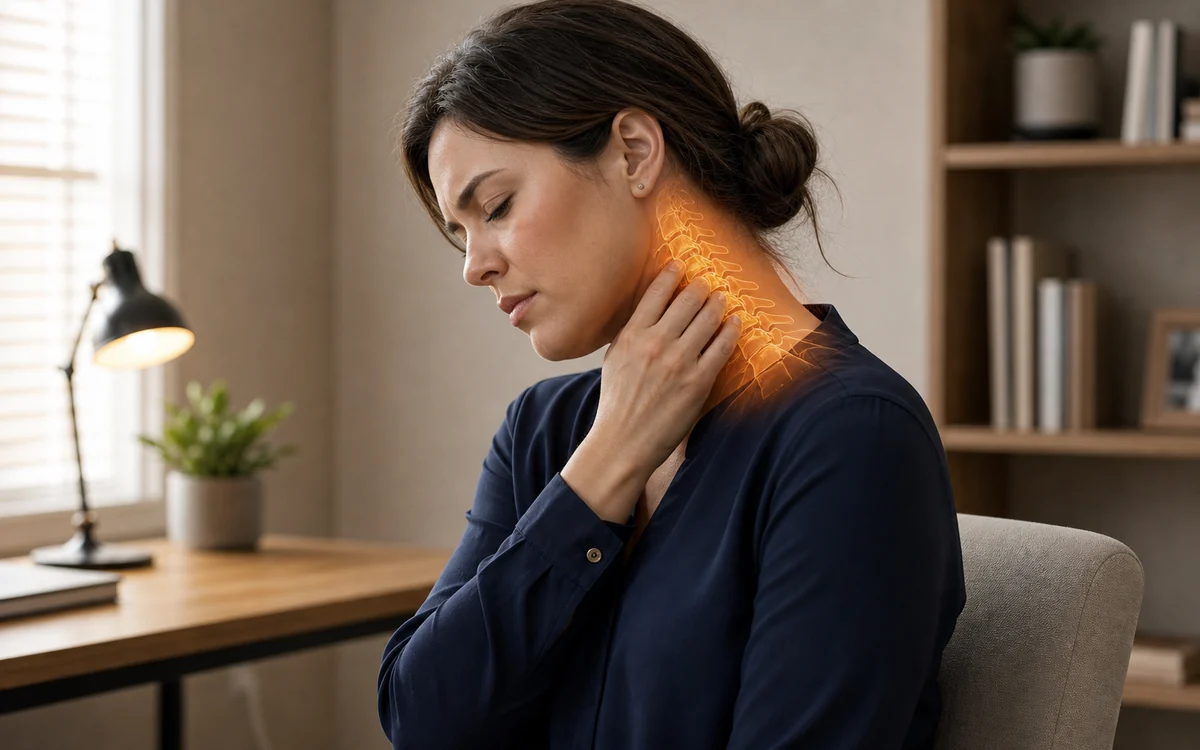
Can I claim for a neck injury after a car accident in NSW?
A car accident may raise a CTP pathway for a neck injury, but the position depends on the facts, medical records, symptoms, work impact, insurer decision and dates. Early treatment notes are often important.
Permanent impairment assessment
How permanent impairment is assessed for Cervical spine, neck movement and arm symptoms
Cervical spine WPI is assessed under the NSW spine DRE method. Neck movement can help describe function and DRE clinical findings, but the NSW spine chapter says the ROM model should not be used. Arm pain only matters for WPI as radiculopathy if objective nerve-root findings support it.
What injuries can happen to this body part?
- Cervical disc bulge, protrusion, prolapse or foraminal stenosis causing neck and arm symptoms
- Whiplash-type cervical soft tissue injury where objective DRE findings are recorded
- Cervical radiculopathy with dermatomal sensory loss, weakness, reflex change or nerve-root tension signs
- Cervical fracture, instability, fusion, decompression or disc replacement with stable residual findings
- Headache, shoulder or peripheral nerve symptoms that need to be separated from cervical nerve-root impairment
Symptoms and findings that matter
- Neck diagnosis, level and whether symptoms are cervical rather than shoulder or peripheral nerve symptoms
- Objective nerve-root findings such as dermatomal sensory loss, motor weakness, reflex change, nerve tension or muscle wasting
- Flexion, extension, rotation and lateral flexion as functional observations rather than a spine ROM-model rating
- Imaging that matches the clinical level and side
- Whether fusion, decompression or disc replacement changes the DRE category or Table 4.2 calculation
What investigations are usually relevant?
- Treating specialist report and final impairment assessment at maximum medical improvement
- Imaging, pathology, audiology, ophthalmology, respiratory, nerve or functional testing that fits the body system
- Operative reports, discharge summaries, rehabilitation records and objective clinical measurements where relevant
How WPI is assessed for this body part
- Cervical spine WPI is assessed under the NSW spine DRE method. Neck movement can help describe function and DRE clinical findings, but the NSW spine chapter says the ROM model should not be used. Arm pain only matters for WPI as radiculopathy if objective nerve-root findings support it.
- Assessment source: NSW Guidelines Chapter 4 paragraphs 4.24-4.38, AMA5 spine Tables 15-3 to 15-5 where adopted, and SIRA Table 4.2 for post-surgery modifiers.
- The assessor should explain maximum medical improvement, the body-system chapter, the method selected, any NSW modification, and why the objective findings fit that method.
How movement affects the assessment
- Reduced cervical rotation can affect checking traffic, reversing a car, scanning a worksite or looking over the shoulder.
- Reduced extension can affect overhead viewing, while flexion can affect reading, desk work and close inspection tasks.
- Movement loss is not rated in isolation as a spine ROM model in NSW; the assessor should explain how it fits the DRE clinical findings, if at all.
NSW spine assessment rules
DRE methodThe NSW spine chapter says spinal impairment is evaluated using diagnosis-related estimates (DREs).
DRE vs ROMAMA5 contains a ROM model in some contexts, but the NSW spine chapter says the ROM model should not be used for NSW spine WPI. Movement observations may still help describe DRE clinical findings, such as asymmetric movement.
ImagingImaging can support the diagnosis, but imaging alone is insufficient for a DRE category except for spinal fractures.
RadiculopathyRequires objective neurological findings. Radiating pain, pins and needles or a scan report alone are not the same as radiculopathy.
Electrodiagnostic testingEMG/NCS may help clinicians investigate symptoms, but SIRA says electrodiagnostic verification of radiculopathy should be disregarded when placing the worker into a DRE category.
Surgery modifiersSIRA Table 4.2 gives public NSW modifiers for relevant spinal surgery scenarios; the operation itself must fit the Guideline wording.
Spine DRE category concepts, without guessing percentages
DRE IUsually no significant clinical findings. Do not use this guide to infer a percentage without the relevant AMA5 table.
DRE IIUsually minor objective findings, resolved radiculopathy, non-verifiable radicular complaints, or structural findings that fit the table.
DRE IIIOften relevant where radiculopathy is present or where the table criteria otherwise place the worker in category III.
DRE IVOften relevant where alteration of motion segment integrity, fusion-type criteria or higher-grade fracture criteria apply, depending on the region and NSW method.
DRE VCan involve radiculopathy plus alteration of motion segment integrity, but NSW modifies post-fusion radiculopathy treatment through Table 4.2.
NSW radiculopathy criteria, in practical terms
Criteria countThe NSW Guidelines generally require two or more criteria, with at least one major criterion, before radiculopathy is concluded.
Reflex, motor or sensory findingsLoss or asymmetry of reflexes, anatomically localised weakness, or reproducible sensory impairment can be relevant when they fit the nerve root distribution.
Nerve tension, wasting and imagingPositive nerve root tension, muscle wasting/atrophy, and imaging consistent with the clinical signs can also be relevant.
Pain aloneRadicular pain or sensory symptoms that follow an anatomical pathway but cannot be verified by neurological findings do not alone constitute radiculopathy.
SIRA Table 4.2 public spine surgery modifier rows
Spinal surgery with residual symptoms and radiculopathyCervical 3% WPI, thoracic 2% WPI, lumbar 3% WPI, subject to the Guideline criteria.
Second and further levelsAdd 1% WPI for each additional level in cervical, thoracic or lumbar regions, where the Guideline permits it.
Second operation2% WPI in cervical, thoracic or lumbar regions, where the Guideline permits it.
Third and subsequent operations1% WPI each in cervical, thoracic or lumbar regions, where the Guideline permits it.
Practical WPI examples
- A neck MRI showing disc protrusion does not by itself prove ratable impairment because common developmental or degenerative findings may be present.
- Arm symptoms that follow a nerve-root pattern need objective findings before they should be treated as radiculopathy for WPI.
- A cervical fusion may point to DRE IV or require Table 4.2 consideration, but the percentage still depends on the accepted method and residual findings.
Evidence checklist
- A clear diagnosis and the body area being assessed
- Records showing the condition has reached maximum medical improvement, if that is the issue
- Specialist reports, imaging reports and treating notes relied on by the assessor
- Objective findings on examination, not only symptoms described by the injured person
- A work and treatment chronology explaining the injury, treatment, surgery and recovery path
- Any previous injury, degeneration, congenital issue or non-work cause that needs apportionment considered
- Cervical MRI/CT, operative reports, neurological examination findings and treating specialist notes about neck function
What usually does not increase WPI
- Assuming a scan result automatically gives a WPI percentage
- Confusing pain, disability or inability to work with permanent impairment
- Ignoring maximum medical improvement before arranging an assessment
- Using an AMA5 table without checking whether the NSW Guidelines modify or replace it
- Double counting the same impairment through two methods when the Guidelines require one method
- Treating headaches or arm pain as radiculopathy without objective signs
- Assuming every cervical fusion automatically reaches a damages threshold
Assessment source
Assessment source: Assessment source: NSW Guidelines Chapter 4 paragraphs 4.24-4.38, AMA5 spine Tables 15-3 to 15-5 where adopted, and SIRA Table 4.2 for post-surgery modifiers.
This section is source-backed general information. It is not a WPI assessment and is not legal advice.
Related injury and claim pages
Need a practical claim check?
If an impairment percentage, medical assessment or insurer decision is affecting your NSW injury claim, send the decision or report for a practical review. This is general information only and does not guarantee any result.
Request a free claim checkCommon accident contexts
Neck symptoms are often assessed against the movement or impact that caused them, such as a collision, fall, lifting incident or repetitive posture. The pathway depends on the event record and the treatment history, not the label alone.
- Car accident and CTP matters where neck pain or restriction is recorded after impact
- Work injury matters involving lifting, awkward posture, repetitive duties or sudden incidents
- Slip and fall or public place incidents where the neck injury follows a documented event
- TPD issues where neck symptoms affect long-term sustainable work capacity
Symptoms and treatment records that may matter
Medical records may refer to neck pain, headaches, stiffness, reduced movement, arm symptoms, sleep disturbance or functional restriction. A doctor or treating practitioner should assess symptoms and treatment needs.
Evidence to keep
For neck injuries, keep records that show the event, early symptom reporting, treatment, movement restrictions, headaches or arm symptoms, work impact and any insurer or employer communication.
- Medical certificates, treatment notes, imaging referrals and therapy records
- Accident reports, vehicle details, work incident reports or venue records
- Photos, witness details, CCTV request records or correspondence
- Work duties, rosters, payslips and records showing restriction or time off work
Ask which claim pathway may applyHow the injury may affect assessment
Neck symptoms may affect driving, computer work, lifting, sleep, concentration, treatment attendance and return-to-work planning. The claim assessment usually needs records that explain those effects clearly.
Common claim problems
These issues do not decide the outcome by themselves, but they are common reasons a claim needs careful evidence and chronology.
- Delayed medical reporting after the accident or incident
- Unclear connection between the event and symptoms
- Treatment disputes where the insurer asks for more medical support
- Capacity disputes where duties involve driving, lifting or prolonged sitting
Mistakes to avoid
Neck injury evidence is easier to understand when symptoms, function and timing are recorded clearly. Avoid leaving gaps that make the history look uncertain later.
- Ignoring symptoms that worsen after the incident
- Not telling the doctor how the symptoms affect work and daily tasks
- Losing correspondence from insurers or employers
- Assuming the injury label alone proves the claim issue
Claim pathway
How injury evidence is usually organised
This is a general pathway only. The documents, decision-maker and timing can change depending on the facts and claim type.
- 1
Injury or incident
Start with where and how the injury happened: road accident, workplace incident, public or private place, or a longer-term disability situation.
- 2
Medical treatment
Get appropriate treatment and keep certificates, referrals, scans, reports and notes about how symptoms affect work or daily life.
- 3
Evidence and chronology
Organise incident records, photos, witness details, wage records, claim numbers and correspondence in date order.
- 4
Insurer or super fund
The pathway may involve a CTP insurer, workers compensation insurer, public liability insurer or superannuation trustee/insurer.
- 5
Assessment or dispute
The insurer or fund may request material, assess treatment or work capacity, make a decision, or issue reasons that need a careful response.
- 6
Resolution or next decision
The practical outcome may be approval, payment, treatment support, further evidence, review, dispute steps or another decision point.
Documents and records
Injury evidence to organise early
The useful records depend on how the injury happened, when symptoms were recorded and how treatment or work capacity changed.
- Date, location and short description of the injury event
- Medical certificates, reports, scans, treatment records or hospital documents
- Employer, insurer, police, incident or venue records where relevant
- Photos, witness details, dashcam or other supporting material if available
- Income, superannuation, work capacity or leave records where relevant
- Letters, emails, claim numbers and decisions already received
Common questions
Injury evidence questions
Short general answers only. The right next step depends on the facts, dates and documents.
Can I claim for a neck injury after a car accident in NSW?
A car accident may raise a CTP pathway for a neck injury, but the position depends on the facts, medical records, symptoms, work impact, insurer decision and dates. Early treatment notes are often important.
What should neck injury records explain?
They should explain symptoms, treatment, restrictions, work impact and how the history connects to the accident or work event. This is general information only and not medical advice.
Which claim type might apply?
That depends on how the injury happened. The same injury can involve CTP, workers compensation, public liability, TPD or more than one pathway. Get advice if the pathway is unclear.